⚖️
Affiliate Disclosure: LawnCareZone is reader-supported. When you purchase or request services through links in our manuals, we may earn an affiliate commission at zero additional cost to you. All agronomic rates and mowing rules remain strictly verified by university research.
Fall Overseeding

Fall Overseeding Masterclass: Seed-to-Soil Contact & Topdressing

Fall Overseeding Masterclass: Seed-to-Soil Contact & Topdressing
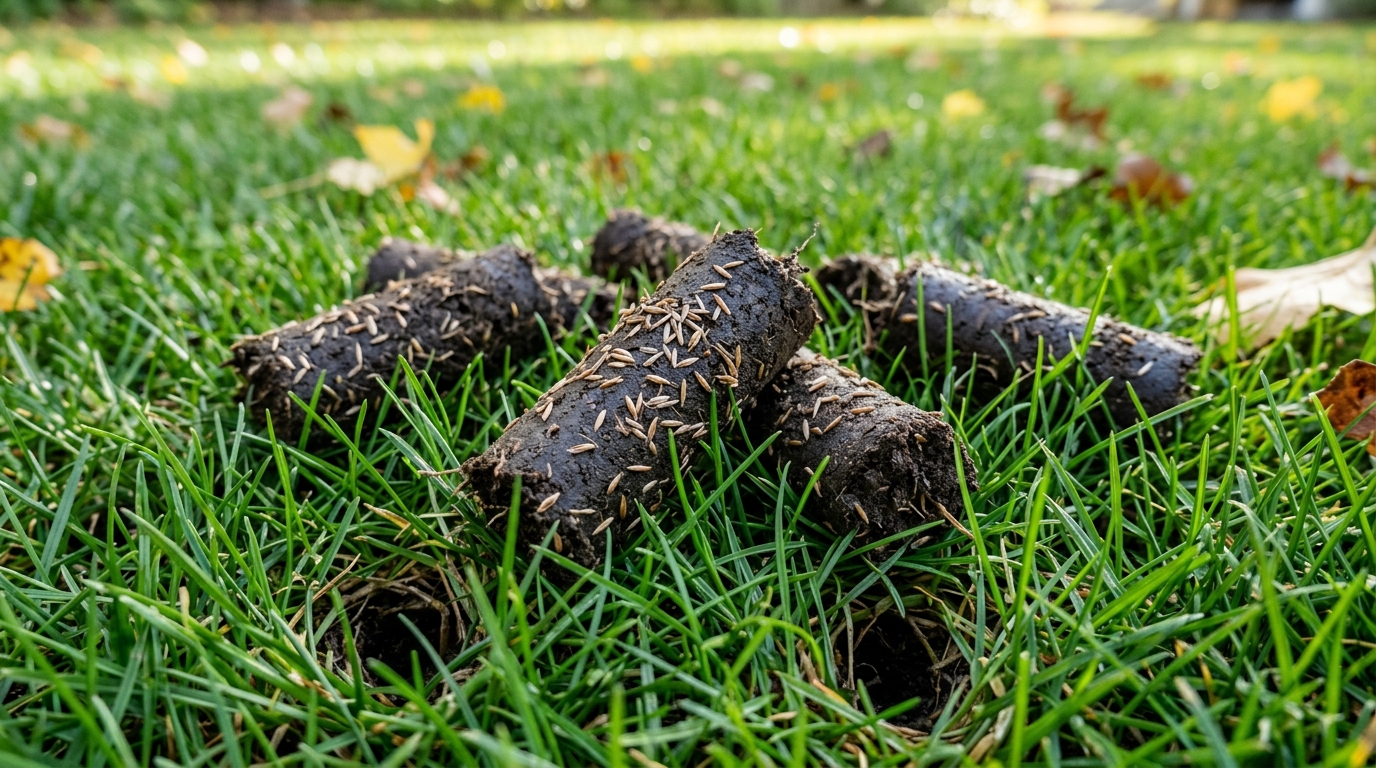
📷 Extension Field Photo: Vetted agronomic documentation for US residential turfgrass
📍
USDA Hardiness Zone Recommendation: Applicable across Zones 4 through 9. Check our Soil Temperature Timing Tool to benchmark your local 2-inch application window.

Why Fall Is the Ultimate Overseeding Window

While garden centers heavily promote grass seed in spring, professional turf managers know that late summer to early autumn (Labor Day through mid-October) is the premier window for overseeding cool-season turf (Tall Fescue, Kentucky Bluegrass, and Perennial Ryegrass).

In autumn, soil temperatures remain warm (60°F to 75°F) for rapid seed germination, while ambient air temperatures cool down, reducing evaporation stress. Most importantly, aggressive summer weeds like crabgrass are dying off, meaning your fragile new seedlings will face zero weed competition.

Step 1: Scalp Mowing and Thatch Removal

Cut your existing lawn down to 1.5 to 2.0 inches and bag all clippings. This opens the canopy, allowing sunlight to penetrate directly to the soil surface where new seeds will reside.

⭐ Field-Tested Editorial Pick
★★★★★ 4.9 / 5 • Editor's Choice

Scotts Turf Builder Triple Action Starter Bundle

Feeds new grass seedlings, prevents crabgrass before it sprouts, and clears broadleaf weeds in a single uniform drop-spreader application.

✓ Guaranteed Weed Eradication & Root Nourishment
✓ Engineered for Cool-Season & Warm-Season Grass Varieties
✓ Exclusive Homeowner Discount via LawnCareZone
Check Bundle Pricing Sponsored Partner Offer • Zero Extra Cost

Step 2: Core Aeration for Maximum Seed Pockets

Run a core aerator over the lawn in crisscross patterns. The thousands of open aeration holes provide micro-environments that protect seeds from wind, bird foraging, and surface runoff while establishing direct seed-to-soil contact.

Step 3: Topdressing with Peat Moss or Screened Compost

Spread seed with a broadcast spreader at the overseeding rate (typically 4–6 lbs per 1,000 sq ft for Tall Fescue). Immediately cover with a thin 1/8-inch dusting of Canadian sphagnum peat moss. Peat moss retains moisture like a sponge and turns light golden-brown when dry, serving as a built-in visual moisture gauge!

🎓 Agronomic Sources & Land-Grant University Extension References

All cultural practices, mowing heights, soil pH tolerances, and herbicide timing benchmarks in this field guide adhere to published research from accredited US Land-Grant University Agricultural Extension services:

MV

Reviewed by Dr. Marcus Vance, MS, Agronomy

Dr. Vance is a residential turf consultant with 15+ years diagnosing lawn pathogens, weed infestations, and soil nutrient deficiencies across North American climate zones. Certified Crop Adviser (CCA) and regular contributor to Land-Grant turfgrass symposia. Review Our Editorial Standards →

🔗 Connected Guides in Seasonal care

Expand your lawn management strategy with these related cluster manuals: