🌿 USDA Diagnostic
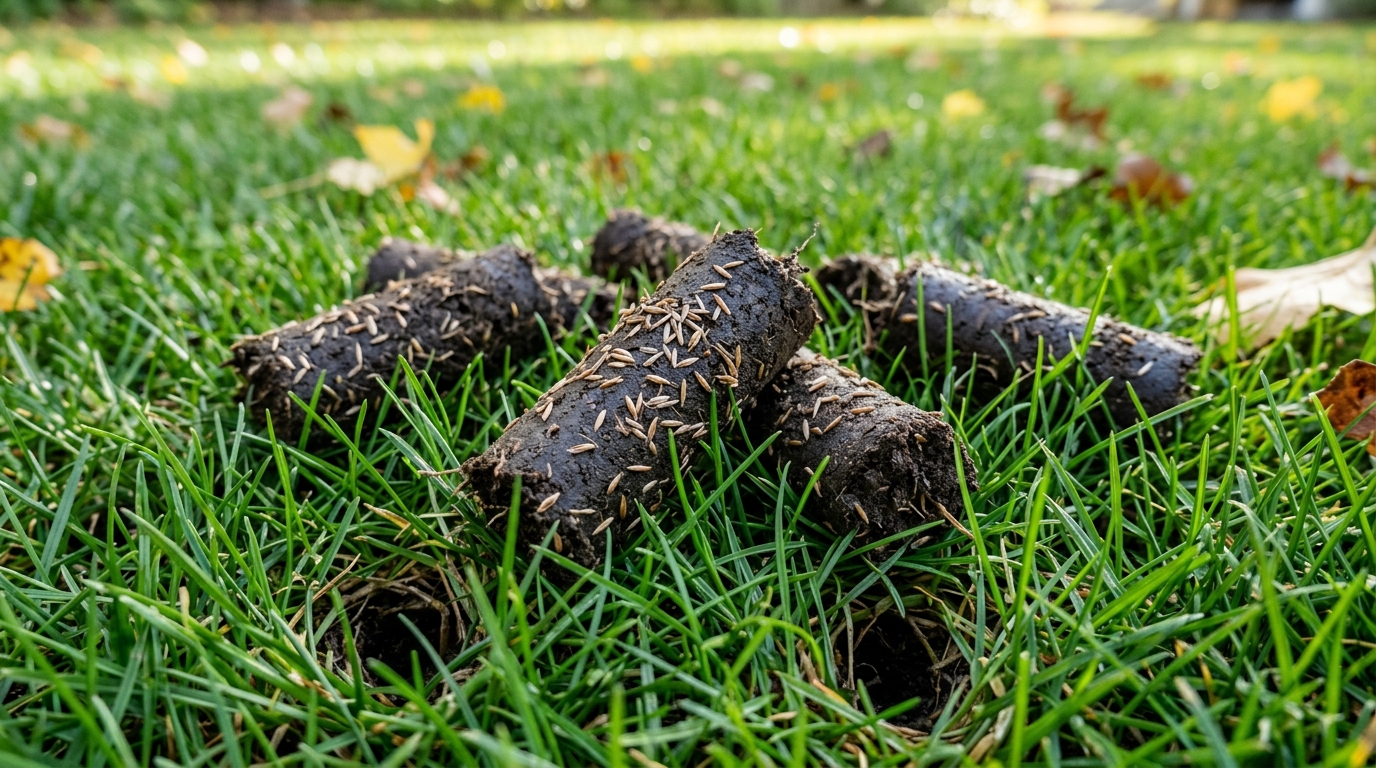
Fall Overseeding Masterclass: Seed-to-Soil Contact & Topdressing
Autumn is the optimal season for thickening cool-season turf. Follow our step-by-step protocol for 95% seed germination...
Field-tested lawn care guides, weed eradication strategies, and vetted service recommendations to build thick, durable grass in every season.
Our highest-impact turf diagnostics and invasive weed eradication field manuals.
Autumn is the optimal season for thickening cool-season turf. Follow our step-by-step protocol for 95% seed germination...
Stop applying chemicals blind. Learn how to take accurate soil core samples, read an agronomic lab report, and calculate...
Struggling with compacted clay soil? We break down the science between mechanical hollow-tine aeration and modern surfactant...
Eliminate guesswork with calibrated nitrogen rates, soil temperature models, and regional hubs.
Calculate exact product bag weight for your lawn square footage. Enforces 0.5 to 1.0 lb Nitrogen per 1,000 sq ft agronomic limits to prevent chemical burn.
Launch CalculatorTrack spring 50°F–55°F crabgrass germination thresholds and autumn 50°F–65°F overseeding windows across US hardiness zones.
Check Soil TempHyper-localized turf care playbooks designed specifically for Northern Cool-Season, Southern Warm-Season, and Transition Zone microclimates.
Explore Regional HubsStep-by-step knowledge organized into interconnected agronomy clusters.
Explore our Lawn Care Basics guide for essential tips on mowing, watering, fertilizing, weed...
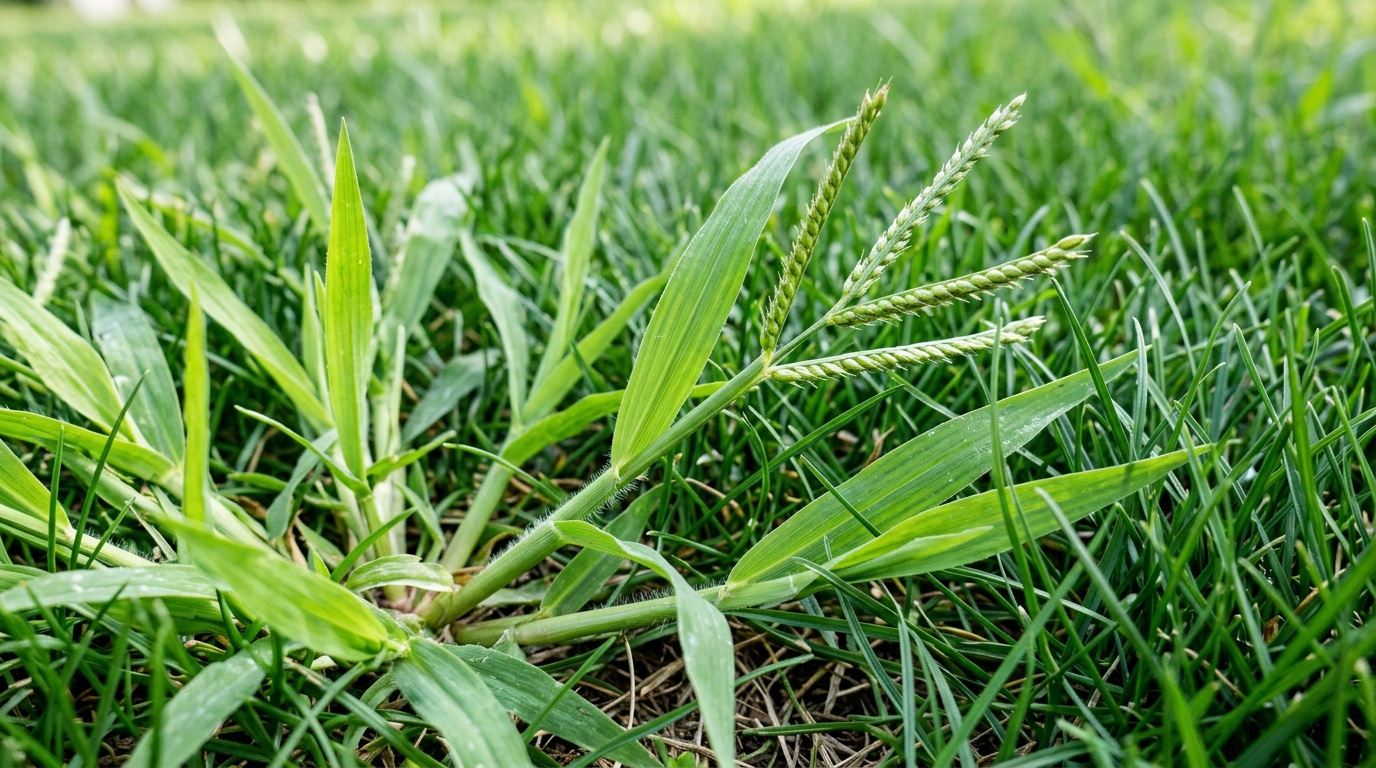
Field-tested methods to identify, suppress, and eradicate invasive lawn weeds without destroying...
Agronomic science for lush root systems, soil amendments, disease prevention, and balanced seasonal...
Best practices for precision mowing heights, core aeration, power dethatching, and deep irrigation...
Targeted transition strategies for spring lawn revival, late summer heat survival, fall...
Every lawn has different biological needs. Select your climate zone for tailored seasonal guidance.
Kentucky Bluegrass, Perennial Ryegrass, and Fine/Tall Fescue thrive in spring and fall. Requires core aeration and overseeding in early autumn for root density.
Bermuda, St. Augustine, and Zoysia excel in intense summer heat. Requires early summer fertilization, scalp-mowing, and dethatching to prevent excessive thatch.
Regions experiencing sub-zero winters and humid 90°F+ summers. Requires turf-type tall fescues, deep infrequent watering, and proactive crabgrass pre-emergent barriers.
Newly published field guides and diagnostic walkthroughs.
Cooler weather and autumn rain can give a stressed lawn some relief, but more water, fertilizer, or an aggressive cut is not...
Bermudagrass vs St. Augustine Grass IdentificationA close look at bermudagrass next to St. Augustine reveals striking...
When thermometer needles cross 95°F, cool-season lawns go into survival mode. Learn how to raise mower heights, irrigate...
Yellow circles with bright green rings? Dog urine nitrogen salts cause turf burn. Here is the rapid 14-day soil flushing and...
Does grass need heavy phosphorus before snow? We bust common winterizer fertilizer myths and highlight potassium root...
Pre-emergent herbicide failure is 95% bad timing. Discover the exact soil temperature trigger points for crabgrass, poa...