Affiliate Disclosure: LawnCareZone is reader-supported. When you purchase or request services through links in our manuals, we may earn an affiliate commission at zero additional cost to you. All agronomic rates and mowing rules remain strictly verified by university research.
Best Pre-Emergent Weed Control Timing Calendar by Soil Temperature
MV
By Dr. Marcus Vance, MS, Agronomy (Lead Agronomist • CCA)
••⏱️ 5 min read•✓ Fact-Checked & Extension-Verified
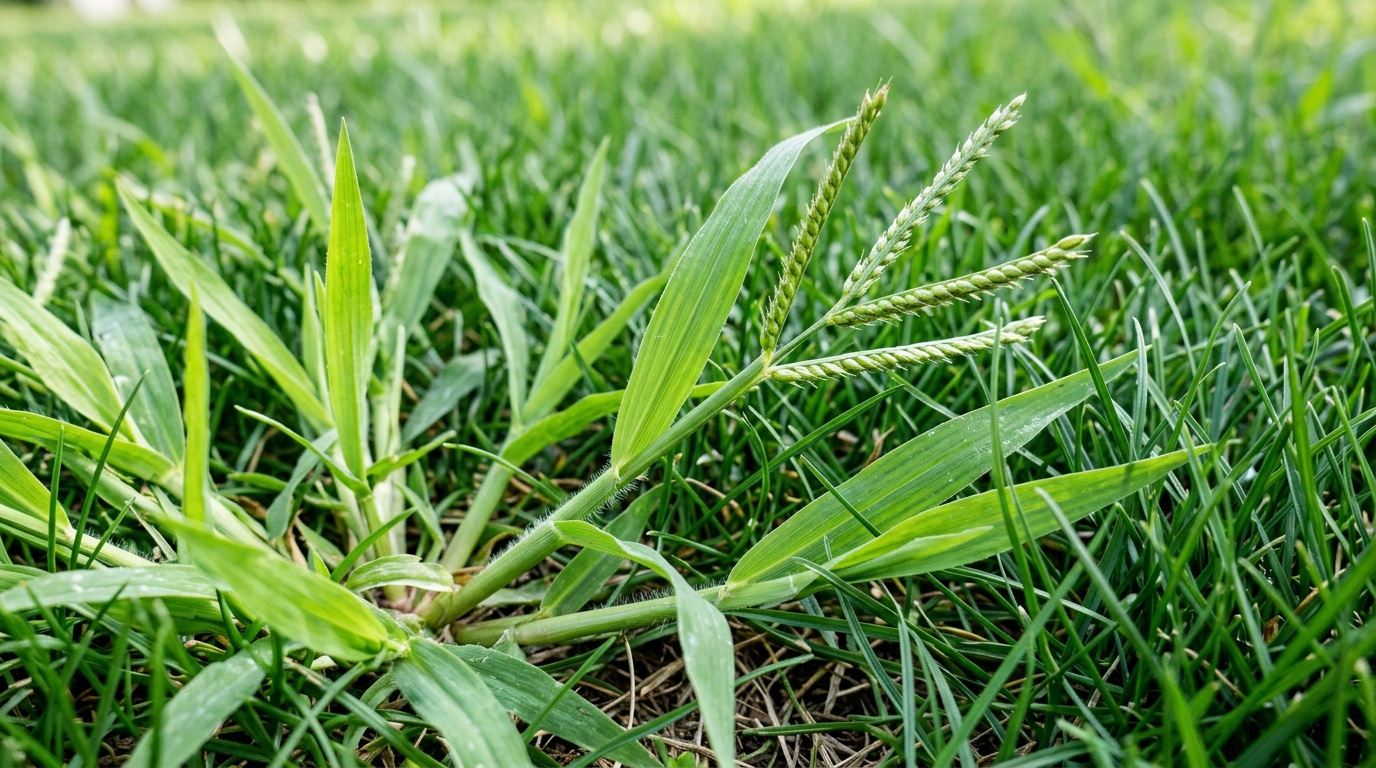
📷 Extension Field Photo: Vetted agronomic documentation for US residential turfgrass
📍
USDA Hardiness Zone Recommendation:
Applicable across Zones 4 through 9. Check our Soil Temperature Timing Tool to benchmark your local 2-inch application window.
Why Calendar Dates Lie About Weed Prevention
Applying your spring pre-emergent on "April 15th" simply because your calendar says so is a recipe for lawn weed failure. Spring weather varies wildly: one year early warm spells trigger weed germination in mid-March, while the next year late frosts delay germination until May.
Seeds do not possess calendars; they possess biological sensors that measure soil temperature and moisture. By purchasing a simple $10 stainless steel meat thermometer and monitoring your soil at a 2-inch depth at 9:00 AM, you can time your chemical barriers with surgical accuracy.
The Critical Temperature Milestones
50°F to 53°F Soil Temp (Spring): Apply your primary crabgrass, foxtail, and goosegrass barrier (Prodiamine or Pendimethalin).
65°F to 70°F Soil Temp (Late Spring): Split-application window for second pre-emergent round to extend chemical barrier protection through August heat.
70°F Dropping Toward 65°F (Autumn): Apply fall pre-emergent to stop winter annuals like Poa annua (annual bluegrass), henbit, and chickweed.
⭐ Field-Tested Editorial Pick
★★★★★4.9 / 5 • Editor's Choice
Sunday Custom Smart Lawn Plan
Custom lawn nutrition pouches delivered straight to your door based on satellite analysis and included free soil testing. 100% pet-safe and chemical-free.
✓ Guaranteed Weed Eradication & Root Nourishment
✓ Engineered for Cool-Season & Warm-Season Grass Varieties
Rather than applying the full legal annual dose of Prodiamine in one heavy early spring drop, split the dose in half: apply 50% when soil hits 53°F in spring, and apply the second 50% eight weeks later. This ensures robust chemical barrier integrity all the way through peak summer weed pressure.
🎓Agronomic Sources & Land-Grant University Extension References
All cultural practices, mowing heights, soil pH tolerances, and herbicide timing benchmarks in this field guide adhere to published research from accredited US Land-Grant University Agricultural Extension services:
Dr. Vance is a residential turf consultant with 15+ years diagnosing lawn pathogens, weed infestations, and soil nutrient deficiencies across North American climate zones. Certified Crop Adviser (CCA) and regular contributor to Land-Grant turfgrass symposia.
Review Our Editorial Standards →
🌾 The Weekend Turf Report
Never Miss a Seasonal Lawn Care Window
Join over 35,000 US homeowners receiving our hyper-local weed timing alerts, soil amendment schedules, and mower height calibrations. 100% free, zero fluff.
🔒 Zero Spam Guarantee•📅 Monthly Regional Timing Alerts•⚡ 1-Click Unsubscribe
🔗 Connected Guides in Weeds
Expand your lawn management strategy with these related cluster manuals: