⚖️
Affiliate Disclosure: LawnCareZone is reader-supported. When you purchase or request services through links in our manuals, we may earn an affiliate commission at zero additional cost to you. All agronomic rates and mowing rules remain strictly verified by university research.
Grassy Weeds

Yellow Nutsedge: Identification and Complete Eradication Strategy

Yellow Nutsedge: Identification and Complete Eradication Strategy
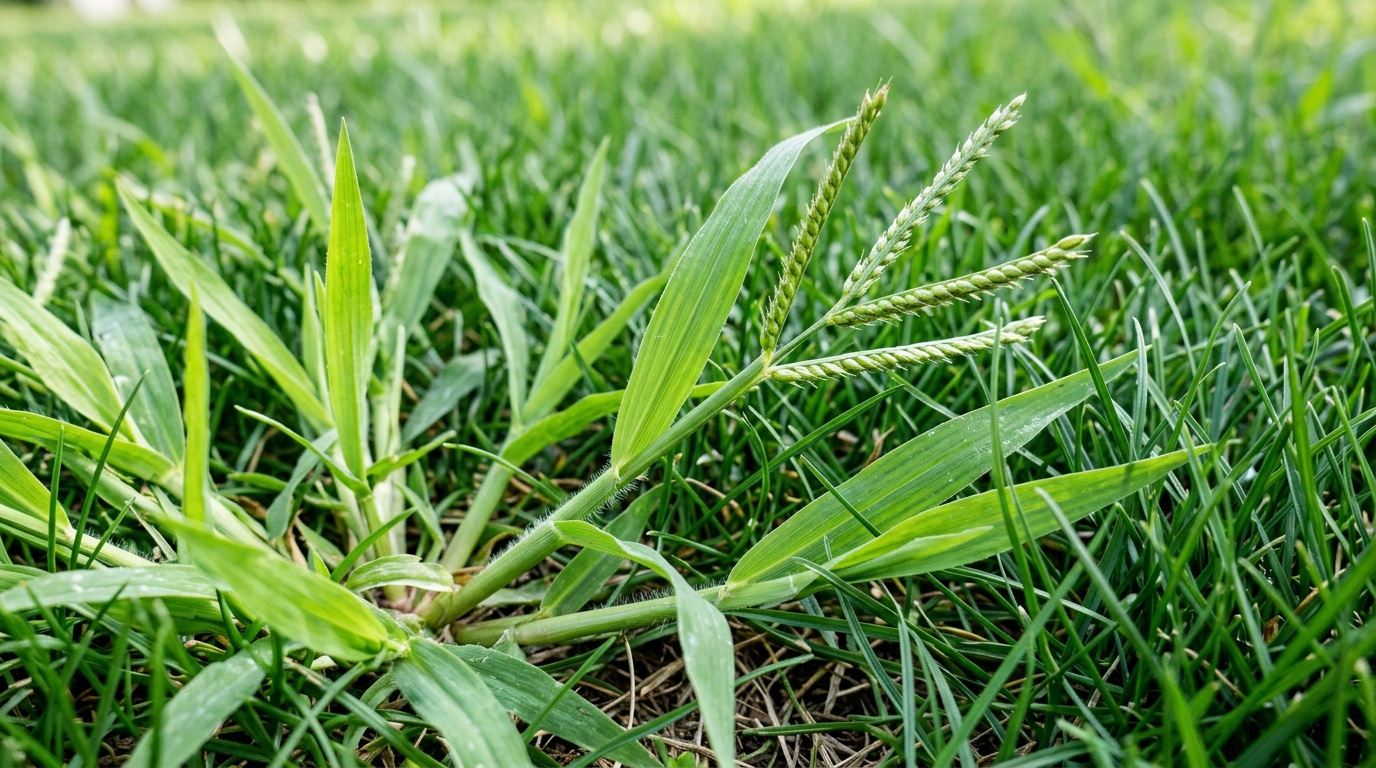
📷 Extension Field Photo: Vetted agronomic documentation for US residential turfgrass
📍
USDA Hardiness Zone Recommendation: Applicable across Zones 4 through 9. Check our Soil Temperature Timing Tool to benchmark your local 2-inch application window.

Why Nutsedge Is the Turf Manager's Nightmare

Yellow nutsedge (Cyperus esculentus), often called "nutgrass," is easily recognized in late spring: it grows twice as fast as your desirable turf, projecting shiny, yellowish-green blades that stand out conspicuously 48 hours after mowing.

The Crucial Diagnostic Test: Roll the stem between your thumb and index finger. Nutsedge stems are distinctly triangular (remember the agronomic rule: "Sedges have edges").

The Golden Rule: Never Hand-Pull Nutsedge

Beneath the surface, nutsedge produces hundreds of underground tubers called "nutlets" that can remain dormant in soil for up to three years. When you pull the parent plant, the disruption breaks apical dominance, triggering up to 10 dormant sub-tubers to sprout simultaneously!

⭐ Field-Tested Editorial Pick
★★★★★ 4.9 / 5 • Editor's Choice

TruGreen Customized Lawn Care Plan

Tailored nutrient applications, pre-emergent weed barriers, and targeted grub prevention by certified local lawn specialists. 50% off your first application.

✓ Guaranteed Weed Eradication & Root Nourishment
✓ Engineered for Cool-Season & Warm-Season Grass Varieties
✓ Exclusive Homeowner Discount via LawnCareZone
Get 50% Off First Visit Sponsored Partner Offer • Zero Extra Cost

Targeted Sedge Killers: Halosulfuron-Methyl & Sulfentrazone

Standard broadleaf herbicides (like 2,4-D) do nothing against sedges. You must use a specialized sedge-specific post-emergent containing Halosulfuron-methyl (Sedgehammer) or Sulfentrazone (Dismiss). These active chemicals translocate down into the basal bulb and nutlets, sterilizing the underground colony permanently.

🎓 Agronomic Sources & Land-Grant University Extension References

All cultural practices, mowing heights, soil pH tolerances, and herbicide timing benchmarks in this field guide adhere to published research from accredited US Land-Grant University Agricultural Extension services:

MV

Reviewed by Dr. Marcus Vance, MS, Agronomy

Dr. Vance is a residential turf consultant with 15+ years diagnosing lawn pathogens, weed infestations, and soil nutrient deficiencies across North American climate zones. Certified Crop Adviser (CCA) and regular contributor to Land-Grant turfgrass symposia. Review Our Editorial Standards →

🔗 Connected Guides in Weeds

Expand your lawn management strategy with these related cluster manuals: