Affiliate Disclosure: LawnCareZone is reader-supported. When you purchase or request services through links in our manuals, we may earn an affiliate commission at zero additional cost to you. All agronomic rates and mowing rules remain strictly verified by university research.
Winterizing Your Lawn: Winterizer Fertilizer Facts vs Myths
MV
By Dr. Marcus Vance, MS, Agronomy (Lead Agronomist • CCA)
••⏱️ 5 min read•✓ Fact-Checked & Extension-Verified
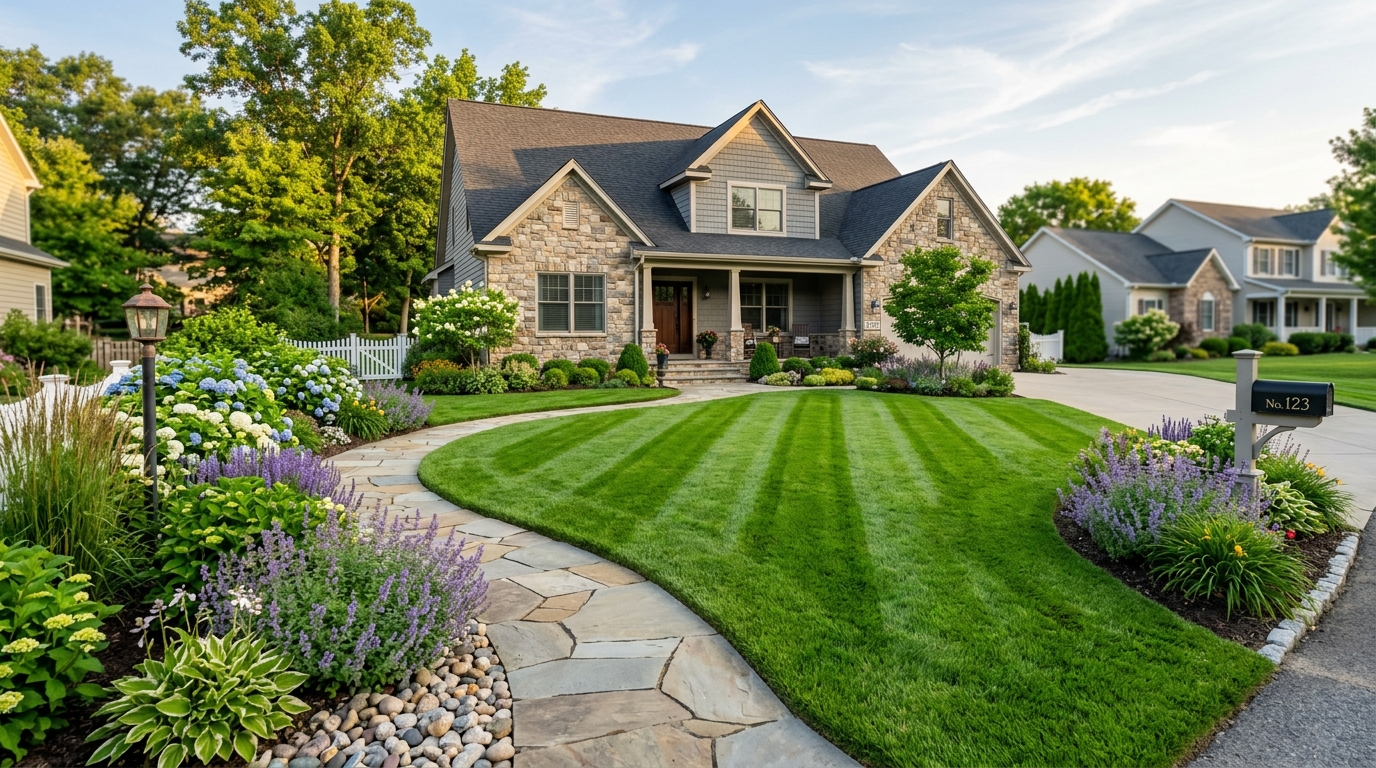
📷 Extension Field Photo: Vetted agronomic documentation for US residential turfgrass
📍
USDA Hardiness Zone Recommendation:
Applicable across Zones 4 through 9. Check our Soil Temperature Timing Tool to benchmark your local 2-inch application window.
Demystifying the "Winterizer" Fertilizer
Walk into any home improvement center in October and you will see pallets of specialty bags labeled "Winterizer". Marketers claim these formulas "put your lawn to sleep safely". But what does agronomy actually say about late autumn turf nutrition?
The Real Role of Late-Season Potassium (K)
The single most valuable nutrient in late autumn is Potassium (K). Potassium strengthens cellular wall elasticity, thickening the cytoplasm inside grass cells so they resist cell lysis (freezing bursts) during sub-zero winter freezes. Look for high-potassium ratios like 16-4-8 or 10-0-20.
⭐ Field-Tested Editorial Pick
★★★★★4.9 / 5 • Editor's Choice
TruGreen Customized Lawn Care Plan
Tailored nutrient applications, pre-emergent weed barriers, and targeted grub prevention by certified local lawn specialists. 50% off your first application.
✓ Guaranteed Weed Eradication & Root Nourishment
✓ Engineered for Cool-Season & Warm-Season Grass Varieties
On your final seasonal mow before winter dormancy, lower your mower deck by 0.5 inches (down to 2.5–3.0 inches for Fescue, or 1.5 inches for Bermuda). Trimming the lawn slightly lower prevents tall grass blades from flopping over under heavy snow packs, significantly minimizing spring outbreaks of Gray and Pink Snow Mold.
🎓Agronomic Sources & Land-Grant University Extension References
All cultural practices, mowing heights, soil pH tolerances, and herbicide timing benchmarks in this field guide adhere to published research from accredited US Land-Grant University Agricultural Extension services:
Dr. Vance is a residential turf consultant with 15+ years diagnosing lawn pathogens, weed infestations, and soil nutrient deficiencies across North American climate zones. Certified Crop Adviser (CCA) and regular contributor to Land-Grant turfgrass symposia.
Review Our Editorial Standards →
🌾 The Weekend Turf Report
Never Miss a Seasonal Lawn Care Window
Join over 35,000 US homeowners receiving our hyper-local weed timing alerts, soil amendment schedules, and mower height calibrations. 100% free, zero fluff.
🔒 Zero Spam Guarantee•📅 Monthly Regional Timing Alerts•⚡ 1-Click Unsubscribe
🔗 Connected Guides in Seasonal care
Expand your lawn management strategy with these related cluster manuals: